
Sleepwalking doesn’t announce itself—one night everything is fine, the next someone is standing at the front door in the dark with no memory of getting there. Whether you’re trying to protect a child who wanders, a spouse who’s been doing this for years, or yourself after a recent episode, the window between asleep and outside is shorter than most people realize. The right alarm doesn’t stop sleepwalking, but it does stop an undetected exit—and that distinction matters a lot at 2am. Here are the options worth looking at.
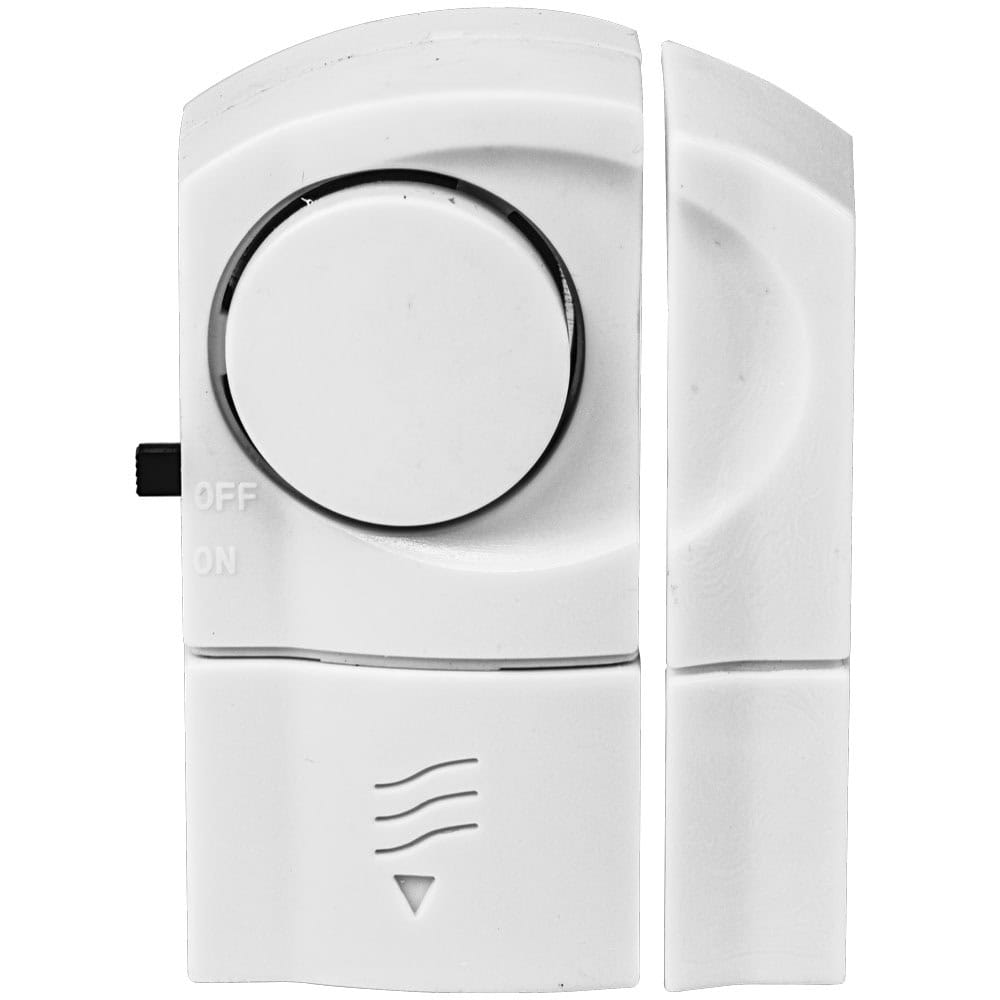
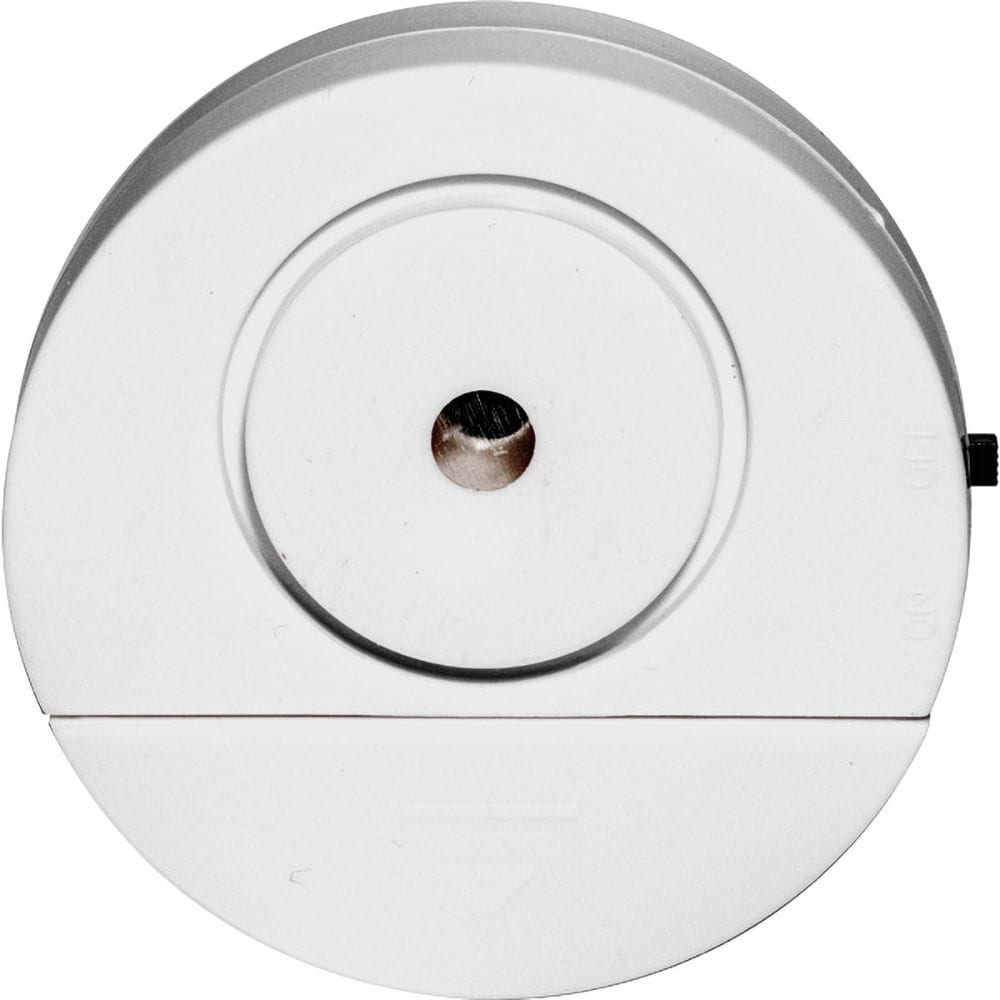
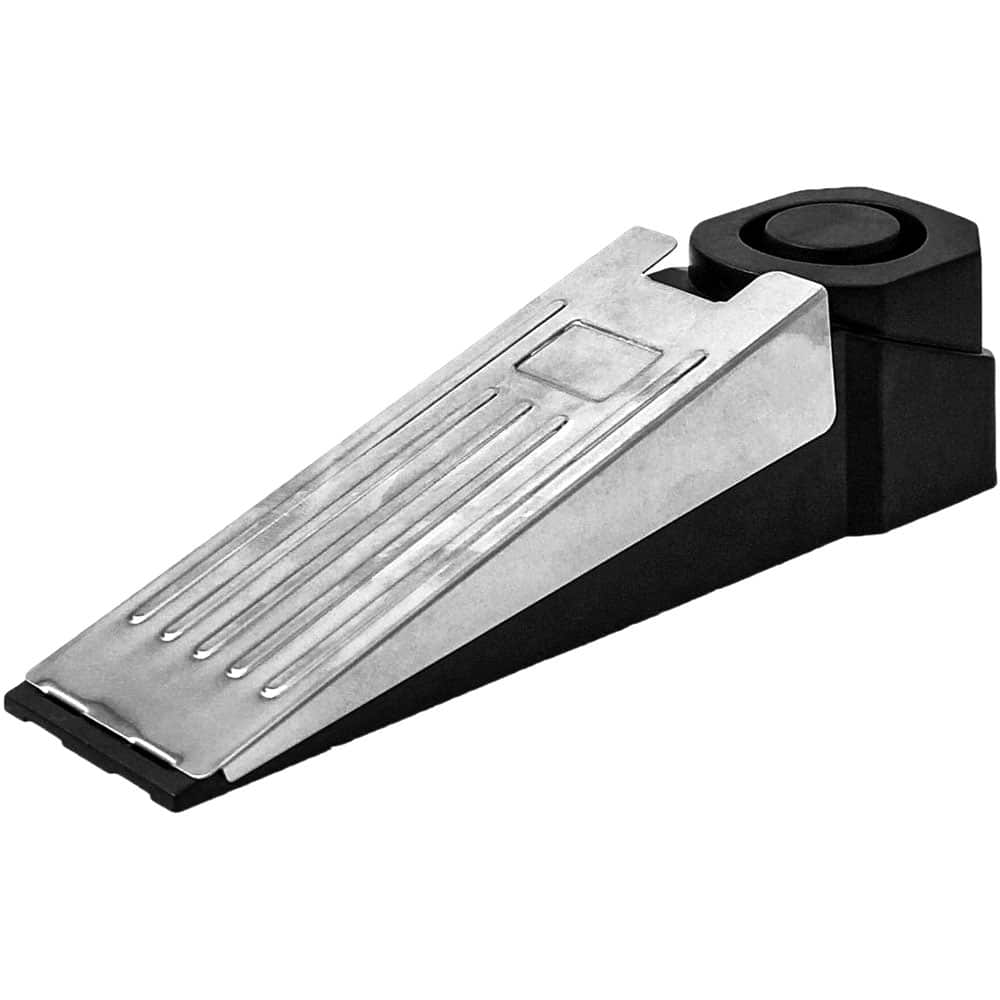

Trigger point. The most important question is where you want the alarm to fire. A magnetic door alarm triggers the instant the door separates from the frame—before anyone steps outside. A door stop alarm triggers when something pushes against the door. A personal alarm worn on the wrist or attached to a door handle fires when contact is broken. Each has a different trigger point, and the right one depends on your specific door layout and how the sleepwalker typically moves.
Volume that actually wakes people. This matters more than it sounds. A sleepwalker is in a deep non-REM sleep state, and a 70dB beep isn’t going to do much. The alarms here range from 90dB to 120dB—that’s the range where you’re talking about sounds comparable to a motorcycle or a smoke detector at close range. The goal isn’t just to alert a caregiver in another room; in some cases you want the sound itself to interrupt the episode.
No installation required. Most households dealing with sleepwalking don’t want to drill into doorframes or run wiring. Every option listed here is battery-powered and self-adhesive or wedge-based. You can set them up tonight and reposition them tomorrow if the situation changes—say, you need to move coverage from a bedroom door to a back slider.
Multi-door coverage. Sleepwalkers don’t always exit through the same door twice. The Magnetic Door Window Alarm 90dB 2 Pack and the Glass Break Alarm 100dB 2 Pack both come in two-unit sets specifically because real-world coverage usually means more than one entry point. A front door plus a bedroom door, or a back door plus a ground-floor window—two units get you closer to actual coverage than one.
Portability for travel. If you’re managing this for a child at a sleepover, a family member at a hotel, or yourself on the road, you need something that travels. The Door Stop Alarm and the 2-in-1 Personal and Burglar Alarm are both compact enough to pack without a second thought and require zero setup tools at the destination.
Start with the primary exit. Most sleepwalkers follow habitual paths—usually the same route they take when awake. If you know or suspect which door they tend to head toward, that’s where your first unit goes. Mount the magnetic sensor on the door frame at handle height so the alarm triggers at the earliest possible moment of movement.
Add a secondary layer on bedroom doors if the primary concern is getting advance warning before someone reaches an exterior exit. A bedroom door alarm gives you an extra alert and extra response time—roughly 30 to 60 seconds more than waiting for the front door to open. That gap matters when you’re asleep yourself and need time to get up and intercept.
The Door Stop Alarm is worth considering specifically for hotel rooms and unfamiliar sleeping environments, where sleepwalking incidents are sometimes more frequent due to disrupted sleep architecture. Wedge it under the door before bed—no mounting required, and it works on virtually any inward-swinging door. Pair it with the 2-in-1 Personal and Burglar Alarm on the secondary door or window if the room has one.
Test your setup before relying on it. That means physically opening the door at arm’s length to confirm the alarm fires at the right moment, checking battery status, and making sure the volume is audible from wherever the caregiver is sleeping. Batteries in these devices should be checked monthly—low battery performance on a 90dB alarm can drop it to something much quieter and far less effective.
A: For a child, a magnetic door alarm on the bedroom door is usually the most practical first layer—it alerts a parent before the child gets anywhere near an exterior exit. The Magnetic Door Window Alarm 90dB 2 Pack is a good fit here because you get two units, so you can cover both the bedroom door and a secondary risk point like a bathroom window or a back door. The goal is early warning and response time, not containment.
A: Personal and door alarms used within your own home for safety purposes are generally not subject to restriction, but local ordinances can vary—particularly around noise levels or alarm registration requirements in some municipalities. If you’re placing alarms in a rental unit or shared living space, it’s worth reviewing your lease and local rules. See our Laws & Restrictions page at https://varietyproducts.com/law-and-restrictions/ for a starting point, and check with local authorities if you have specific questions.
A: The 2-in-1 Personal and Burglar Alarm can function in personal alarm mode using a pull-pin design—the idea being that you run a cord from the pin to a fixed point like a bedpost, so the alarm fires if the person moves beyond a certain distance. It’s a simple, low-tech approach that has worked for caregivers managing both sleepwalking and dementia-related wandering. That said, it requires some setup thought to make sure the cord length and attachment point are right for your specific bed and room layout.
A: Motion sensors detect movement within a room but don’t tell you specifically that someone is exiting—they can generate a lot of false alerts from pets or restless sleeping. Smart home systems require WiFi, an app, and often a hub, and they depend on your phone being charged and nearby. The door and window alarms here are contact-based—they trigger precisely when a door or window opens, not when someone walks past. They’re also self-contained, battery-powered, and work without an internet connection, which makes them more reliable for this specific use case even if they’re less feature-rich overall.
A: At 90dB to 120dB—the range these alarms operate in—sound travels well through interior walls, especially at night when ambient noise is low. A 90dB alarm in a quiet house is roughly equivalent to a lawn mower at close range; 120dB is closer to a car horn. For most household layouts, that’s enough to wake a sleeping adult one room over. Thicker walls, longer hallways, or heavy sleepers may warrant positioning a second alarm closer to the caregiver’s room rather than just at the exit point.
Every sleepwalking situation is a little different—different exits, different sleepers, different household layouts. Reach out through our contact page and we'll help you figure out the right combination for your setup.
Shop All Personal AlarmsEXCLUSIVE OFFER
Every order – not just your first!
Unlock Your Discount Instantly
Enter your email below and your personal 15% discount code appears right here – no need to check your inbox.
🔒 We respect your privacy. Unsubscribe anytime.
YOU’RE IN!
Use this code on every order
🎉
Here’s Your Code!
Use it now an on every future order.
YOUR DISCOUNT CODE
We also sent this code to your email for safekeeping.