
Wandering is one of the most dangerous behaviors associated with dementia — it can happen fast, quietly, and at any hour. Most caregivers aren’t monitoring every door every second, and that’s not a failure, that’s just reality. A door or window alarm bridges that gap: the moment a patient tries to exit, an immediate alert goes off before they’ve made it outside. The products below are simple to install, don’t require any tech knowledge, and give both the caregiver and the patient’s family one less thing to lie awake worrying about.
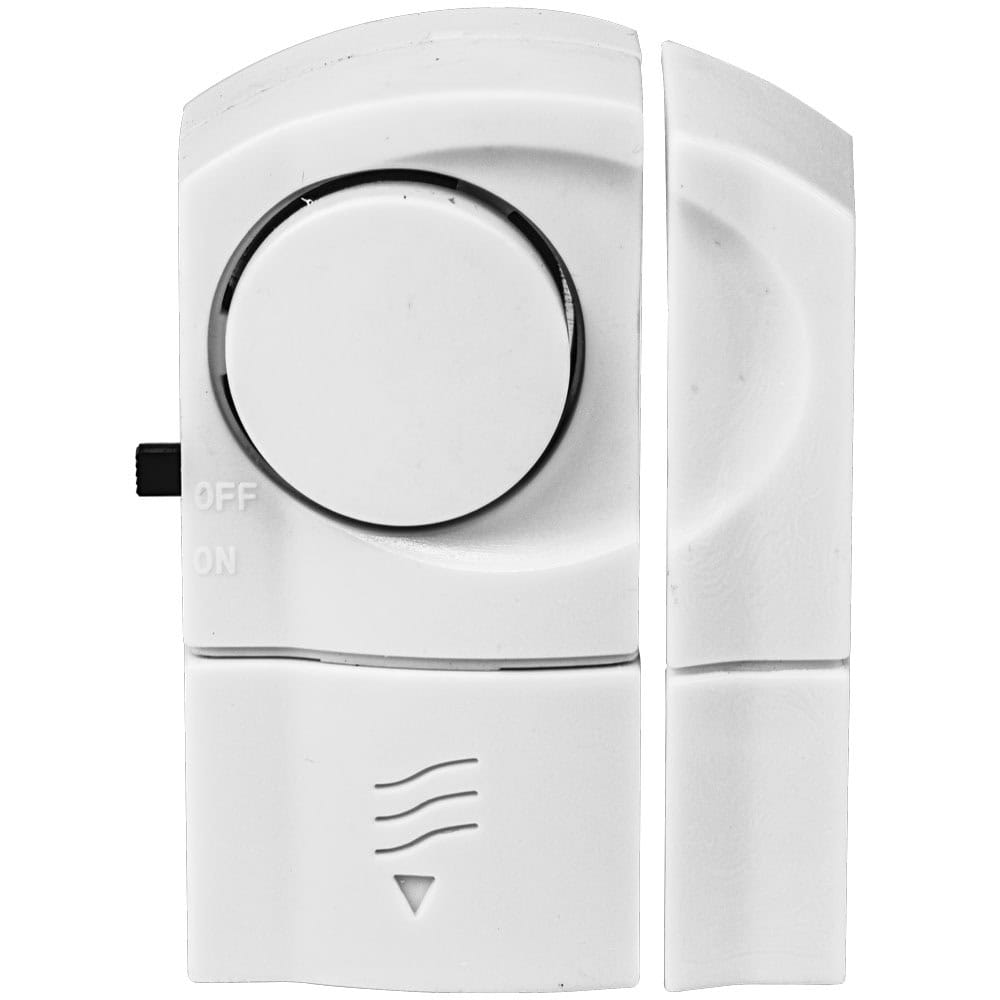
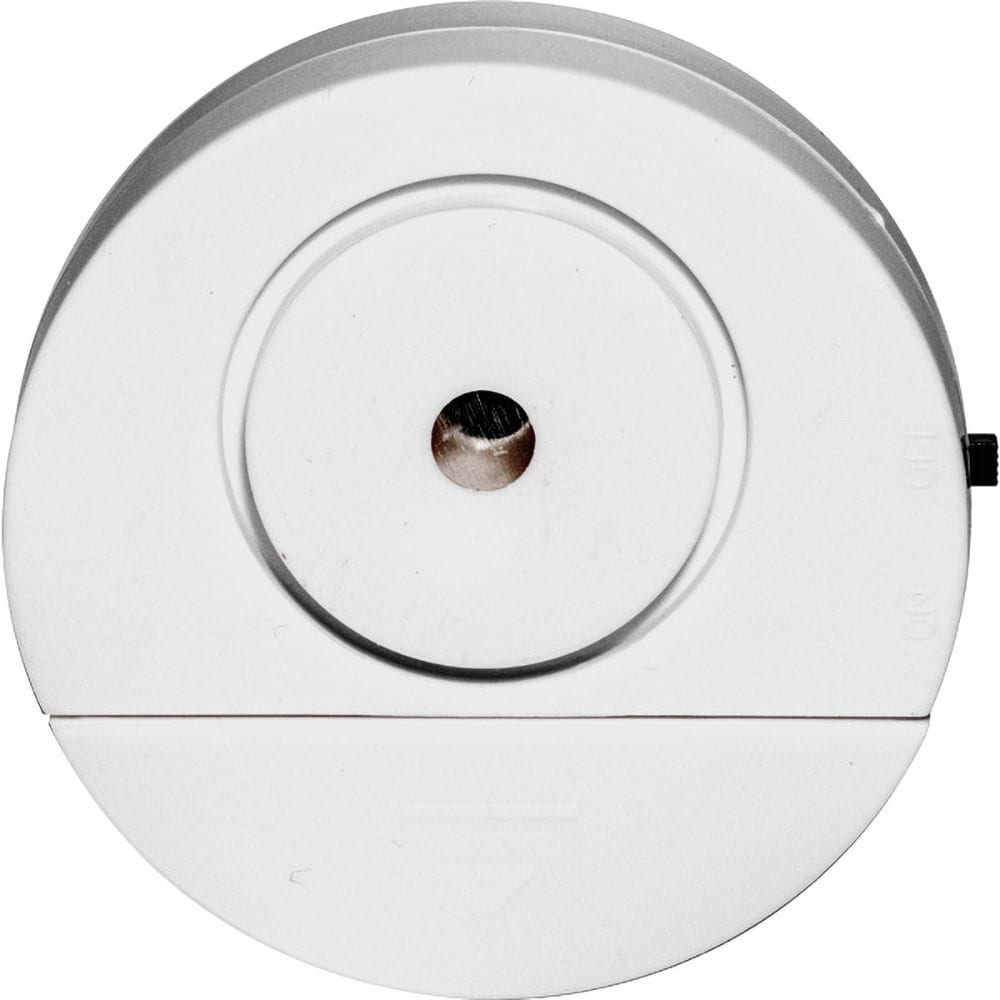
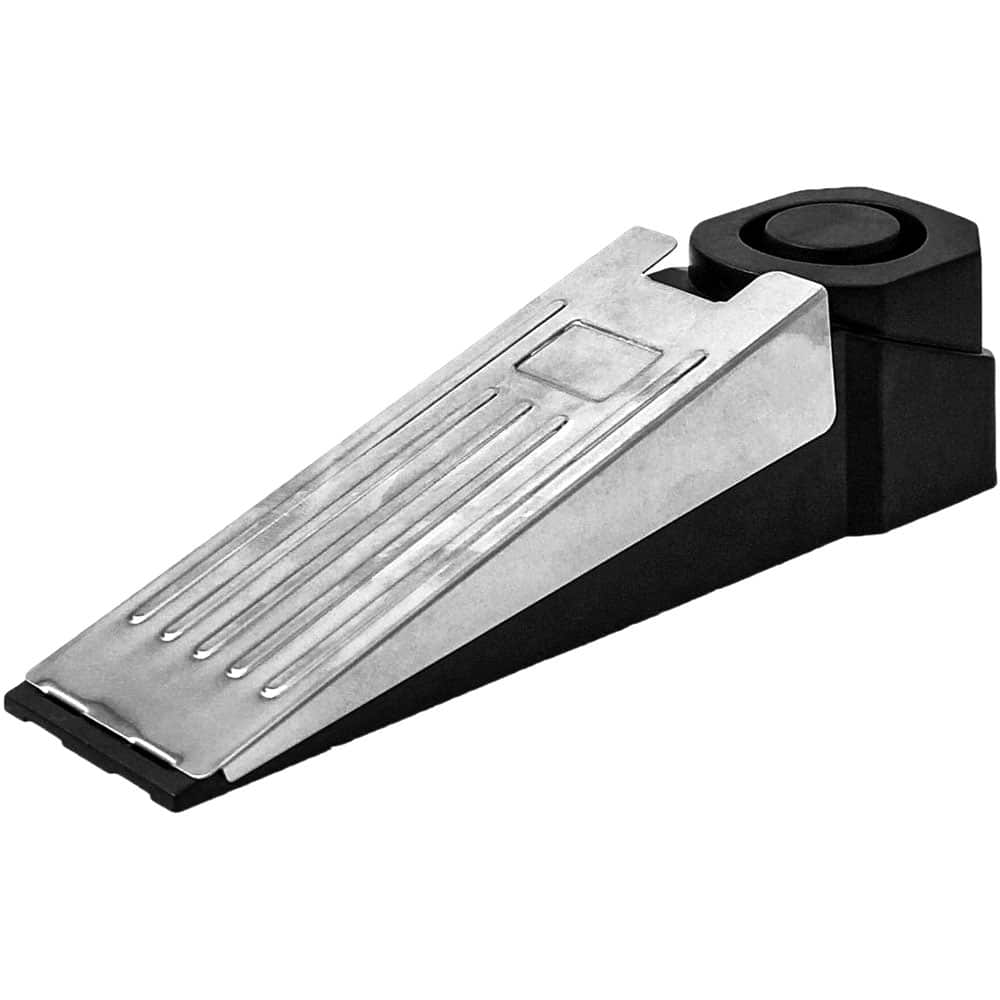

Loud enough to alert across the home. A 90dB alarm is audible in the same room. A 120dB alarm carries through walls and floors. If your home is larger than a studio apartment, or if the caregiver sleeps in a different room, lean toward 120dB. The Door Stop Alarm and the 2-in-1 Personal and Burglar Alarm both hit that mark.
Instant trigger with no delay. Some security alarms include an entry delay — that’s a feature designed for homeowners who need time to disarm a system. For dementia care, you want zero delay. The magnetic contact alarms in this lineup sound the moment the door or window separates from the sensor. There’s no countdown, no code to enter.
No complex operation required. If the alarm itself is confusing, it won’t get used consistently. Every product here runs on standard batteries, mounts with adhesive or wedges into place, and has no programming required. A caregiver can have any of these installed and active in under ten minutes.
Coverage of multiple exit points. Most homes have more than one door and several ground-floor windows that a patient could attempt to use. The Magnetic Door Window Alarm 2-Pack and the Glass Break Alarm 2-Pack are specifically sold as two-unit sets so you can cover a front door and back door, or a door and a window, with a single purchase.
Physical barrier plus audible alert. The Door Stop Alarm is worth calling out specifically because it doesn’t just notify — the wedge design physically resists the door opening, which buys critical seconds. For caregivers who are deep sleepers or hard of hearing, that extra mechanical resistance matters.
Start by mapping every exit a patient could realistically access: front door, back door, sliding glass door, garage entry, and any ground-floor windows near the bed or common areas. Prioritize the exits the patient uses most and the ones farthest from where the caregiver sleeps — those are your highest-risk points.
For doors, magnetic contact alarms are the cleanest solution. Mount the sensor on the door frame and the magnet on the door itself using the included adhesive. When the two pieces separate, the alarm fires. The Magnetic Door Window Alarm 2-Pack installs this way on any door — interior or exterior — and runs on batteries with no wiring. For an added layer at main entry doors, pair that with a Door Stop Alarm wedged at the base. Even if someone bypasses one layer, the second triggers immediately.
For windows, the Glass Break Alarm 2-Pack uses vibration detection, which means it doesn’t require the window to open fully — any significant force or impact sets it off. Mount one on each window frame with the self-adhesive backing. Test each sensor after installation by knocking firmly on the glass to confirm the sensitivity is calibrated correctly for your setup.
Finally, keep a spare set of batteries on hand and test each alarm monthly. Battery-powered alarms are reliable, but a dead battery is the one failure mode you can completely control. Some caregivers tape a monthly reminder to the inside of a cabinet near each alarm as a simple maintenance prompt.
A: A 90dB alarm is clearly audible in adjacent rooms with doors closed, but a 120dB alarm is the more reliable choice for larger homes or when a caregiver sleeps at the far end of the house. The Door Stop Alarm and the 2-in-1 Personal and Burglar Alarm both reach 120dB. If you’re unsure, go louder — you can always move the alarm to a less sensitive location, but you can’t add volume after the fact.
A: Personal and home alarms generally aren’t regulated the way some other security devices are, but rules around care environments can vary depending on whether you’re in a private home, an assisted living facility, or a licensed care home. Facilities in particular may have state regulations governing how exits are secured for memory care patients. For general legal reference, see our Laws & Restrictions page at https://varietyproducts.com/law-and-restrictions/ — and when in doubt, check with your state’s health or licensing authority if you’re operating in a professional care setting.
A: It depends on the stage of the condition and the specific product. Magnetic contact alarms are passive — they trigger automatically when the door separates from the sensor, and there’s nothing obvious for a patient to interact with or press to stop it. The Door Stop Alarm sits at floor level and is wedge-shaped, which makes it less intuitive to remove than a standard lock. That said, no alarm is tamper-proof, and these products are designed as alert tools for caregivers, not as containment devices.
A: For most dementia care applications, placing the alarm sensor higher on the door frame — at or above eye level — makes it less likely to be noticed and less accessible for a patient to attempt to remove. The Magnetic Door Window Alarm 2-Pack uses a two-piece contact design that can be mounted at whatever height fits your door best. Low placement works for the Door Stop Alarm specifically, since its wedge function depends on floor contact — that one stays at the base by design.
A: These are two different tools that address different parts of the same problem. A GPS tracker tells you where a patient is after they’ve already wandered — it’s a recovery tool. A door or window alarm tells you the moment someone attempts to exit, before they’ve left the property. For home care, the alarm is the first line of response because it gives you a chance to intervene before wandering occurs. GPS becomes more valuable as a backup for patients in larger facilities or for outdoor situations where exit prevention isn’t possible.
Every home setup is a little different — door configurations, caregiver sleep schedules, number of exits — and we're happy to help you figure out what makes sense. Reach out through our contact page and we'll point you in the right direction.
Shop All Personal and Home AlarmsEXCLUSIVE OFFER
Every order – not just your first!
Unlock Your Discount Instantly
Enter your email below and your personal 15% discount code appears right here – no need to check your inbox.
🔒 We respect your privacy. Unsubscribe anytime.
YOU’RE IN!
Use this code on every order
🎉
Here’s Your Code!
Use it now an on every future order.
YOUR DISCOUNT CODE
We also sent this code to your email for safekeeping.