
Young kids have a talent for getting somewhere fast — out the front door, into the garage, down the stairs — before you even realize they moved. Whether you’re dealing with a toddler who figured out the door handle at 18 months or a child who sleepwalks and has no idea they’re doing it, the gap between “I’ll just be a second” and a real emergency is smaller than most parents want to admit. A loud alarm on a door or window doesn’t replace supervision — nothing does — but it gives you an audible heads-up the moment something opens that shouldn’t. Here are the options worth looking at.
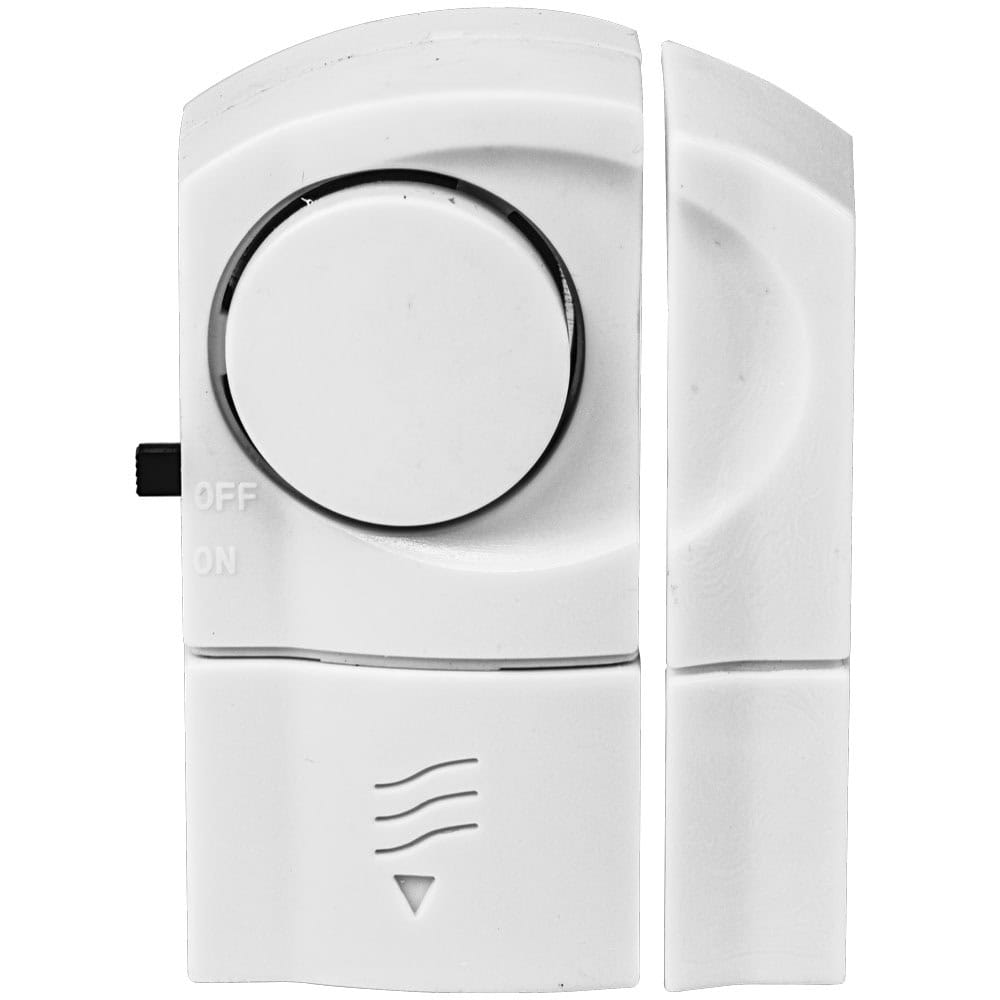
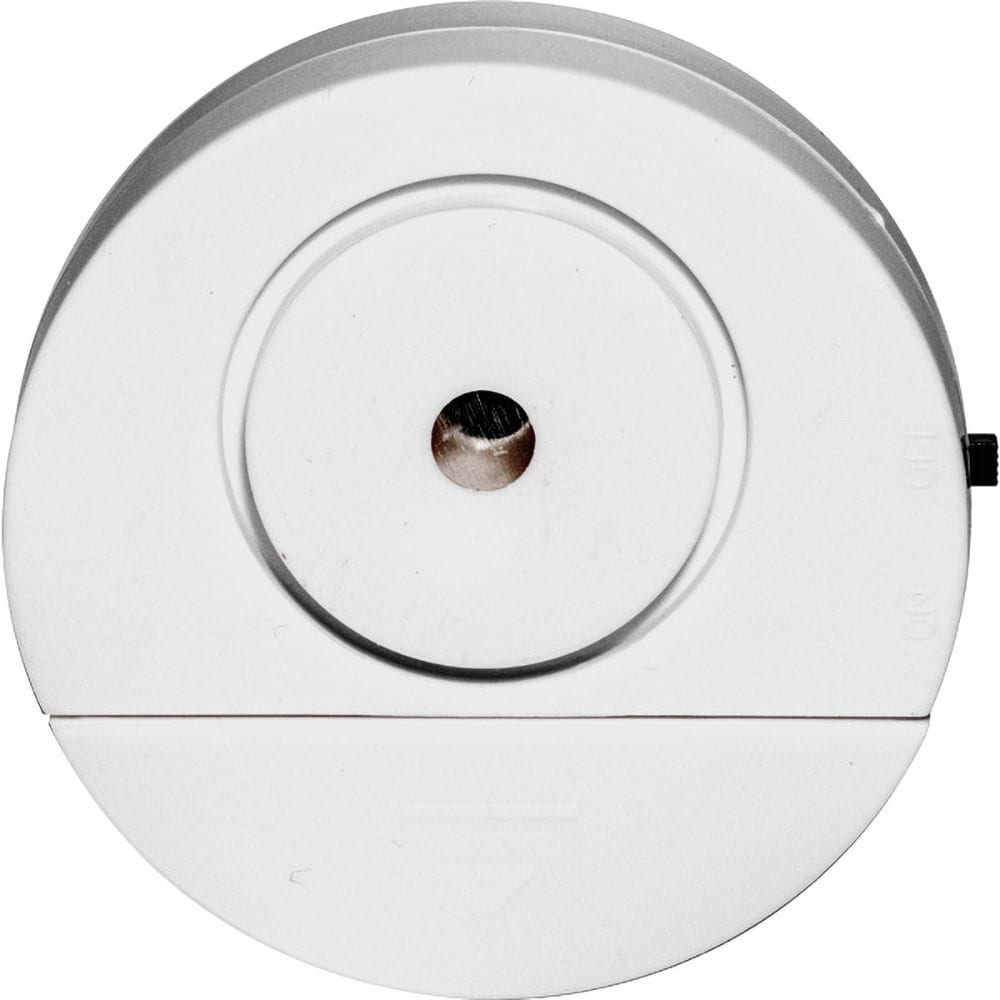

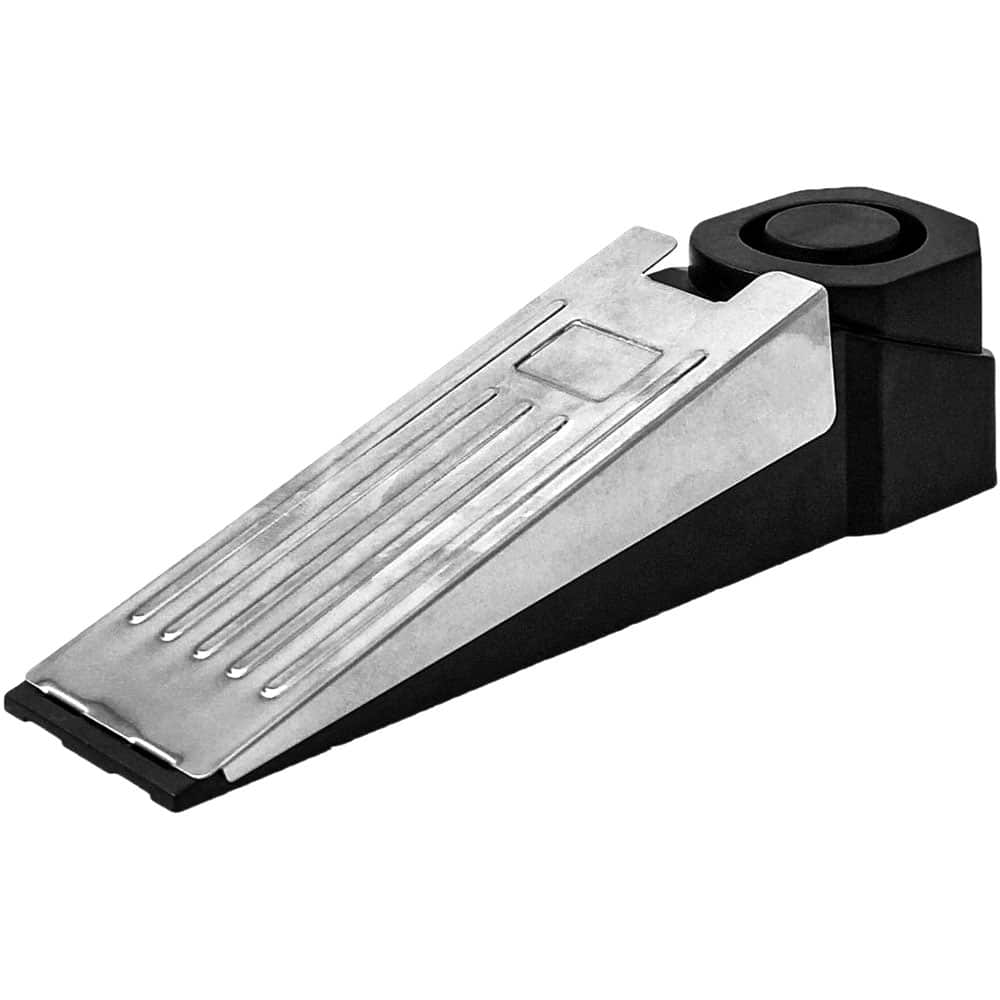
Decibel output matters more than the number on the box. Most alarms in this category claim 90dB to 120dB. That range is meaningful — 90dB is roughly a lawnmower, 120dB is closer to a car horn right next to your ear. For a house with multiple floors or background noise from a TV, you want to be closer to 120dB. The Magnetic Door Window Alarm comes in at 90dB, which is plenty for a single-story home or apartment. The 2-in-1 Personal and Burglar Alarm and the Door Stop Alarm both hit 120dB, which carries through walls and ceilings.
Contact vs. vibration sensing — pick based on your window type. Magnetic contact alarms (like the 2 Pack Door Window Alarm) work by detecting when two pieces separate — the sensor body and the magnet. They’re dead simple, reliable, and ideal for doors and sliding windows. Vibration-sensing alarms (like the Glass Break Alarm 2 Pack) detect impact and flex in the glass itself, which matters if you have casement windows or double-hung windows where a standard magnetic mount is awkward to position. In a house with kids, using both types on different windows is not overkill.
Ease of installation determines whether it actually gets used. If installing an alarm requires tools, wiring, or a YouTube tutorial, most parents will skip it or put it off. Every product on this page uses battery power and self-adhesive or wedge mounting — nothing permanent, nothing complicated. That matters especially in rental homes and apartments where you can’t drill.
Portability is underrated for families that travel. The Door Stop Alarm and the 2-in-1 unit are both portable by design. Hotel rooms, vacation rentals, and grandparents’ houses don’t have your alarms on the doors. Tossing one of these in your bag takes 30 seconds and means the door to the hotel hallway will wake you if your toddler decides to explore at 2am.
Battery life and replacement cost add up over time. These are all battery-powered devices, so check what battery type each unit uses before you buy a dozen. Standard AA and AAA batteries are easy to stock. Some units use coin cells, which are fine but cost more per replacement. Either way, test the alarm monthly — a dead battery in a safety device is the same as not having one.
Start with the exits that matter most: the front door, any door to a garage, exterior sliding doors, and any door leading to a pool or fenced yard. Toddlers fixate on the same routes repeatedly — once you identify where yours gravitates, that’s your first alarm placement. Secondary placements like bedroom windows and stairway gates make sense after the main exits are covered.
Height of placement is worth thinking through. A magnetic contact alarm needs the sensor and magnet to align when the door or window is closed. On an interior door, mounting low (near the bottom hinge side) means an adult can easily reach the reset, but also means a curious 4-year-old might pull at it. Most parents mount at adult shoulder height on exterior doors so the child can’t easily tamper with it — the alarm still sounds the moment the door opens regardless of where it’s mounted.
For the Door Stop Alarm, placement is self-explanatory — it wedges under the door. What’s less obvious is that it works on carpet, tile, and hardwood with equal reliability thanks to the non-slip base. It’s worth testing on your specific floor surface before you rely on it, since thick pile carpet can sometimes reduce the wedge tension.
Test every alarm monthly. Pull the pin, open the door, trigger the sensor — whatever the activation method — and make sure the siren still sounds at full volume. A quick test takes 10 seconds and confirms your battery is good. If you have kids old enough to understand, explaining what the alarm is for and why they shouldn’t touch it is a conversation worth having — kids who understand the purpose are far less likely to mess with it out of curiosity.
A: Magnetic contact alarms are the most practical choice for exterior doors — they mount in minutes, require no wiring, and sound immediately when the door separates from the frame. The Magnetic Door Window Alarm 90dB 2 Pack is a solid starting point because you get two units, which is usually enough for a front door and one additional exit. For added physical resistance alongside the audible alert, the Door Stop Alarm wedges under the door and adds a barrier that slows the door from opening while triggering its own 120dB siren.
A: Personal and home alarms for child safety are generally unrestricted consumer safety products and legal to purchase and use throughout the United States. Unlike some self-defense products, there are no common age restrictions or permit requirements for residential alarm devices. That said, laws vary by location, so if you have any specific questions about alarm use in your area, see our Laws & Restrictions page at https://varietyproducts.com/law-and-restrictions/ for guidance.
A: Research on sleep arousal suggests that alarms in the 75dB to 85dB range are sufficient to wake most adults in a quiet home, but real-world conditions — white noise machines, ceiling fans, a closed bedroom door, or a parent who is a heavy sleeper — can significantly reduce perceived volume. For families with any of those factors, aiming for 120dB at the source gives you meaningful headroom. The 2-in-1 Personal and Burglar Alarm and the Door Stop Alarm both hit 120dB, which carries well through interior walls.
A: The Door Stop Alarm and the 2-in-1 Personal and Burglar Alarm are both designed with portability in mind — battery powered, no installation required, and compact enough for a bag or suitcase. Hotel room doors, vacation rental exits, and guest room doors at a relative’s house are all places where your toddler’s usual environment changes and familiar boundaries disappear. Bringing a travel alarm takes 30 seconds to set up and removes a meaningful risk from an unfamiliar space.
A: Door handle covers and knob locks are passive barriers — they make it harder for a small child to operate a handle, but they don’t alert you if the child figures it out or if someone else opens the door. Alarms are active notification devices — they do nothing to stop a door from opening, but they immediately tell you it happened. The two approaches work well together: a handle cover buys you a few more seconds before the door opens, and the alarm tells you when those seconds ran out. For parents of children who sleepwalk or who have autism or sensory differences that affect spatial awareness, an alarm is often more reliable than a mechanical barrier alone because determined or disoriented children can defeat locks that a typical toddler can’t.
Every home layout and every kid is different — if you want help narrowing down the right combination of door and window alarms for your situation, reach out through our contact page and we'll point you in the right direction.
Shop All Personal and Home AlarmsEXCLUSIVE OFFER
Every order – not just your first!
Unlock Your Discount Instantly
Enter your email below and your personal 15% discount code appears right here – no need to check your inbox.
🔒 We respect your privacy. Unsubscribe anytime.
YOU’RE IN!
Use this code on every order
🎉
Here’s Your Code!
Use it now an on every future order.
YOUR DISCOUNT CODE
We also sent this code to your email for safekeeping.