
Most runners think about what’s in their ears, not what’s on their belt — but the moment something goes wrong on a trail or an empty street at 6am, noise is the fastest tool you have. A personal alarm doesn’t require aim, doesn’t require a clear head in a panic, and doesn’t require you to get close to anyone. You pull a pin or press a button, and 120 to 130 decibels of sound does the work — drawing attention from a block away while you create distance. The products below are picked specifically for how they carry, how fast they activate, and how well they hold up when clipped to a waistband or run through mile after mile.

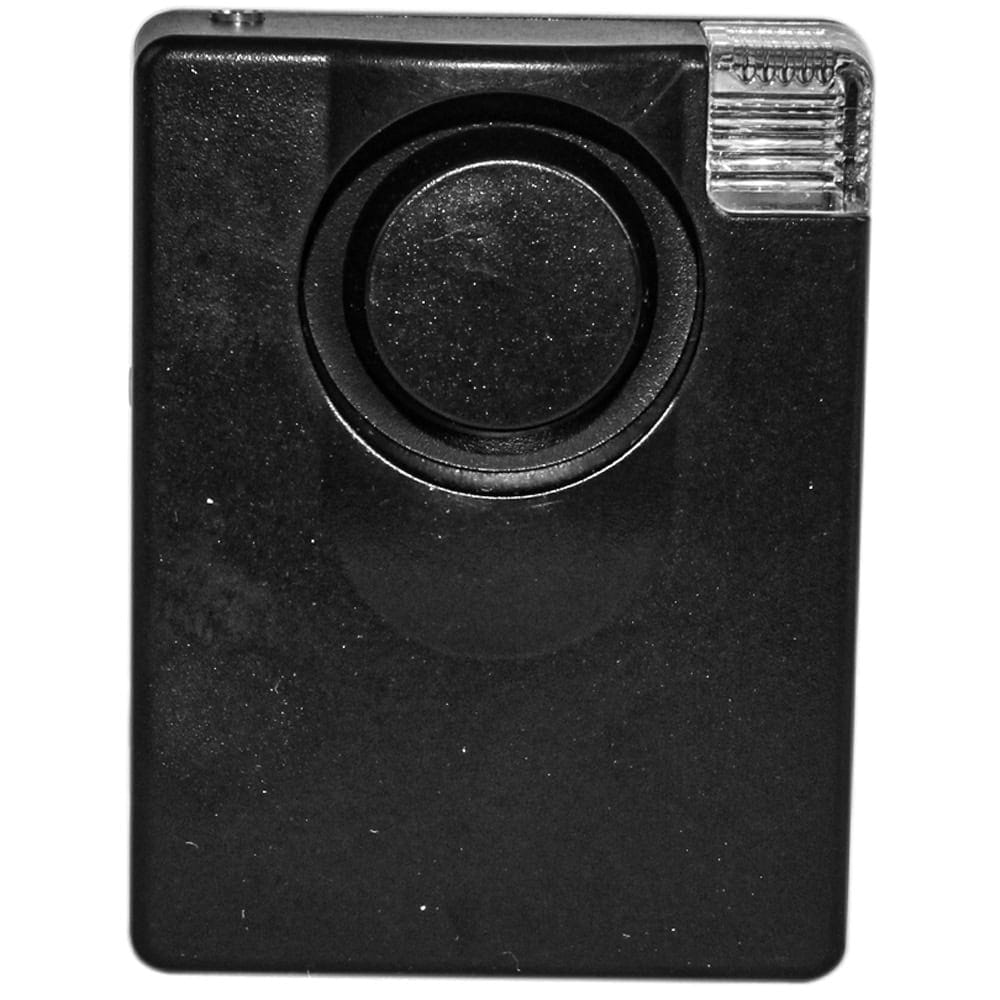


Decibel rating. This is the number that actually matters. A 120dB alarm is loud — roughly the level of a rock concert from front row. A 130dB alarm is noticeably louder and carries further in open spaces. If you’re running in parks, on trails, or anywhere there isn’t foot traffic immediately nearby, go with 130dB. The Keychain Personal Alarm 130dB with LED Light and the 3-in-1 Personal Alarm 130dB both hit that threshold.
Activation method. Pull-pin activation is the standard for running alarms for a reason — it works when your hands are shaking, your grip is weak, or you’re mid-stride trying to react fast. You don’t have to find a button, flip a switch, or look at the device. Pull the pin and it screams. All four alarms on this page use pull-pin activation, which is the right call for an active use case.
Carry position. An alarm clipped to your waistband or shorts drawstring is accessible in under a second. One buried in a pocket or hydration vest is not. Look for a belt clip or a keychain ring that lets you attach it somewhere you can grab without thinking. The Mini Personal Alarm 120dB with Belt Clip and the 3-in-1 with Safety Clip are both designed with this in mind.
Built-in flashlight. If you run before sunrise or after dark — and plenty of runners do — a built-in LED is genuinely useful, not just a marketing checkbox. The 3-in-1 alarm’s 50-lumen light is practical for watching your footing. The Keychain Alarm’s LED is lighter duty but still useful for visibility.
Size and weight. You’re already carrying a phone, keys, and maybe a water bottle. The alarm shouldn’t add meaningful weight or bulk. Every alarm on this page is compact enough to forget about until you need it — which is exactly the point.
Rechargeable vs. battery-powered. Most personal alarms run on standard batteries, which means low-maintenance carry — no charging cable to remember before a morning run. The Personal Panic Alarm 130dB with LED Strobe uses a rechargeable battery, which is worth noting if you prefer not to swap cells. Neither approach is wrong; it comes down to your routine.
Clip it somewhere you can reach with your dominant hand without looking down. Your waistband, the strap of a running vest, or a shorts drawstring all work. The goal is one motion from normal to alarm activated — grab it, pull the pin. If it takes two hands or requires you to unzip anything, it’s not positioned right for a running scenario.
Keep the pin attached but not wound tight. Some runners loop the pin cord around a finger while they run in areas that feel higher-risk — that way activation is even faster. Just make sure the pin isn’t so loose that it catches on gear and triggers accidentally.
Test it before you depend on it. Pull the pin in your backyard so you know exactly how much force it takes and what it sounds like at close range. If you’ve never heard 130dB go off near your ear, it’ll surprise you — which is useful context for understanding what it does to anyone standing near you when it activates in the field.
Replace the battery on a schedule, not when it dies. Personal alarms sit unused for long stretches and batteries drain even in storage. Check yours every few months. A dead alarm is worse than no alarm because you might reach for it assuming it works.
A: At 120dB, a personal alarm is loud enough to be heard from a significant distance and will draw attention in most environments. At 130dB — which the Keychain Personal Alarm 130dB with LED Light and the Personal Panic Alarm 130dB with Strobe both reach — the sound is closer to a jet engine at close range and carries further in open outdoor spaces. For trail running or areas without immediate foot traffic, 130dB is the better choice. The goal isn’t just to startle an attacker; it’s to draw attention from bystanders far enough away that they can actually respond.
A: Personal alarms are legal in all 50 states with no known restrictions — they emit sound, not chemicals or electrical current, so they fall outside the regulatory frameworks that govern pepper spray and stun guns. That said, if you’re traveling or running in other countries, local rules can differ. For a full breakdown of what’s legal where, see our Laws & Restrictions page at https://varietyproducts.com/law-and-restrictions/.
A: The best position is somewhere your dominant hand can reach in one motion without looking — your waistband, the shoulder strap of a running vest, or clipped to a shorts drawstring all work well. The 3-in-1 Personal Alarm 130dB comes with a safety clip specifically designed for this kind of carry. Avoid pockets or hydration pack compartments that require unzipping; in a high-stress moment, that extra step is one too many. Some runners loop the pin lanyard around a finger during higher-risk portions of a route so activation is even faster.
A: They solve different problems, which is why a lot of regular runners carry both. A personal alarm draws attention and creates a distraction — it doesn’t physically stop anyone. Pepper spray can physically incapacitate an attacker but requires aim, proper deployment, and awareness of wind direction. Personal alarms have no deployment skill requirement, no legal restrictions, and work just as well against aggressive dogs as against people. If you’re choosing one, an alarm is the lower-friction option; if you want both layers of protection, a small keychain pepper spray pairs well with any of the alarms on this page.
A: Don’t wait for it to fail in the field — set a calendar reminder to test it every two to three months. Pull the pin briefly (outdoors, away from people) and confirm the volume is strong. If it sounds noticeably weaker than when you first used it, replace the battery. Standard batteries drain slowly even when the device isn’t used, so regular testing matters more than how often you actually run with it. The Personal Panic Alarm 130dB with LED Strobe uses a rechargeable battery, which makes it easy to top off on a routine; battery-powered models like the Mini Personal Alarm 120dB take standard cells available anywhere.
We're happy to help you find the right fit for your routine — reach out to us through our contact page and we'll point you in the right direction.
Shop All Personal AlarmsEXCLUSIVE OFFER
Every order – not just your first!
Unlock Your Discount Instantly
Enter your email below and your personal 15% discount code appears right here – no need to check your inbox.
🔒 We respect your privacy. Unsubscribe anytime.
YOU’RE IN!
Use this code on every order
🎉
Here’s Your Code!
Use it now an on every future order.
YOUR DISCOUNT CODE
We also sent this code to your email for safekeeping.