
Walking to your car at night, running solo before sunrise, or studying late in a campus parking garage — these are the moments when you want something fast and simple in your hand, not something that requires practice or a steady nerve. A personal alarm doesn’t ask anything complicated from you: you pull a pin or press a button, and 120–130 decibels of noise does the rest. That sound carries a city block, draws immediate attention, and most importantly, it makes you a bad target — because attackers depend on silence and isolation. The options below are compact enough to live on your keychain or clip to your bag so you’ll actually have one when it matters.


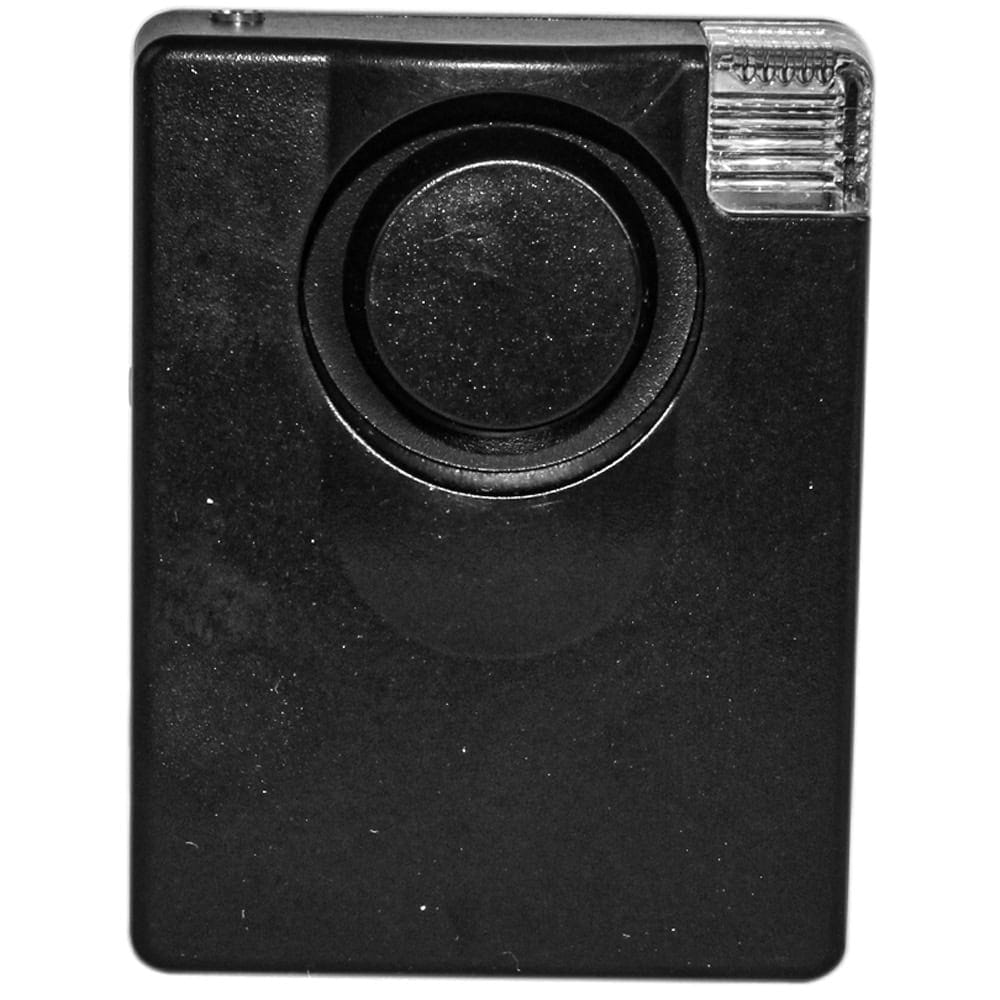

Volume — and what it actually means in the real world. The decibel ratings on personal alarms range from around 90dB up to 130dB. To put that in context, 90dB is roughly a lawnmower running nearby. 120–130dB is closer to a jet engine at close range — it physically hurts to be near it. For personal safety, you want at least 120dB. Anything under that may not be loud enough to be heard from inside a building or across a busy street.
Activation method — because your hands will be shaking. Pull-pin designs are the most reliable under stress. You don’t have to find a button, remember which side it’s on, or apply the right amount of pressure. You pull and the alarm sounds. Period. Some models use a press-button, which works fine in calm conditions, but pull-pin activation has a clear edge when your focus is on something else entirely.
Size and carry method — if it’s buried in your bag, it won’t help. The best alarm for any woman is the one she actually has in her hand or within a half-second reach. The Keychain Personal Alarm 130dB with LED Light is built specifically for this — it clips to your keys so it travels with you automatically. The 3-in-1 Personal Alarm 130dB with Safety Clip can attach directly to a bag strap or belt loop. Whatever you choose, the carry method matters as much as the specs.
Secondary features that earn their place. Some alarms double as flashlights, which is genuinely useful at night. The Personal Panic Alarm 130dB with LED Strobe adds a visual component — useful in situations where you need to signal across a distance or in a noisy environment where sound alone might get lost. These aren’t gimmicks; they add real utility as long as the alarm function itself is solid.
Disguised designs — trade-offs worth knowing. The Lipstick Personal Alarm is a legitimate option for situations where discretion matters, like workplace environments or travel where you’d rather not broadcast that you’re carrying a safety device. The trade-off is that 90dB is noticeably quieter than 130dB models. It’ll draw attention in a quiet space but may not cut through crowd noise or a closed car door the way a higher-volume alarm will.
The single most important thing is pre-positioning. Before you walk through a parking garage, before you start a solo run, before you get into a rideshare — take the alarm out and hold it or clip it somewhere accessible. Not in the bottom of your bag. Not still attached to a key ring buried in your pocket. In your hand, or in a place you can reach in under two seconds without looking.
Test your alarm at home so you know exactly how it activates and what it sounds like. This matters more than most people think. If you’ve never heard it go off, the sound itself can startle you in a real situation. Know what to expect. If your model has a pull pin, practice removing it smoothly. If it has a button, know where that button is without looking.
After activation, put distance between yourself and the threat. The alarm is creating noise and drawing attention — use that window to move toward people, toward a lit building, toward any public space. The alarm is a tool to buy you time and attract help, not a substitute for getting to safety.
Battery maintenance is easy to overlook. Check your alarm’s battery every few months — most use standard replaceable batteries, and a dead alarm is useless. If your model is rechargeable, build charging it into a regular habit the same way you charge your phone. A two-minute check every few weeks is all it takes to make sure it’s ready when you need it.
A: For personal safety, 120dB is generally considered the minimum threshold worth carrying. At that volume, the sound carries roughly 300–600 feet in open conditions and is physically uncomfortable to stand near. Alarms rated 130dB — like the Keychain Personal Alarm 130dB with LED Light and the Personal Panic Alarm 130dB with LED Strobe — are among the loudest available in a keychain-sized package. The practical difference between 90dB and 130dB is significant: at 90dB you’ll startle people nearby, but at 130dB you’re drawing attention from across a parking lot and making it very unpleasant for anyone standing close to you.
A: Personal alarms are legal to carry in all 50 U.S. states with no restrictions, which makes them one of the most universally accessible self-defense tools available. They’re also permitted on airplanes in carry-on luggage, unlike pepper spray or stun guns. That said, laws around other self-defense products do vary significantly by state and municipality. For a full overview of regulations covering the products we sell, see our Laws & Restrictions page at https://varietyproducts.com/law-and-restrictions/.
A: The most common mistake people make is keeping their alarm at the bottom of a bag. By the time you find it, the moment has passed. Keychain-style alarms like the Keychain Personal Alarm 130dB with LED Light solve this by attaching directly to your keys — it comes out of your pocket when your keys come out. Models with belt clips or bag clips, like the 3-in-1 Personal Alarm 130dB with Safety Clip, let you attach the alarm to a strap you can reach without looking. The goal is to have it accessible before you enter a situation that might require it, not after.
A: They serve slightly different purposes and the honest answer is that many women carry both. A personal alarm works at any range — you don’t need to aim it, and it works through a car window, on a crowded street, or in a situation where you can’t safely close distance. Pepper spray requires you to be within range of your attacker and deploy it accurately under stress. Alarms also carry zero legal restrictions and can be used by anyone without training. Pepper spray is more of an active deterrent that can stop a physical assault in progress; an alarm creates noise that draws witnesses and may deter an attack before it starts. If you’re deciding between them, start with an alarm for its zero-barrier entry, then consider adding pepper spray as a secondary layer.
A: This is worth thinking about when you choose a carry method. If the alarm is clipped to your bag strap and your bag is pulled away, you’ve lost access to it. The most reliable position under physical attack is already activated in your hand — which is why pre-positioning before you enter a risky environment matters so much. Pull-pin designs are particularly useful because the pin can be pulled by your own movement or even by someone grabbing at the device. Some women clip pull-pin alarms to a lanyard worn around the wrist so any strong pulling motion activates the alarm automatically.
We've been in the self-defense industry for nearly 40 years and we're happy to help you find the right fit — reach out through our contact page and we'll point you in the right direction.
Shop All Personal AlarmsEXCLUSIVE OFFER
Every order – not just your first!
Unlock Your Discount Instantly
Enter your email below and your personal 15% discount code appears right here – no need to check your inbox.
🔒 We respect your privacy. Unsubscribe anytime.
YOU’RE IN!
Use this code on every order
🎉
Here’s Your Code!
Use it now an on every future order.
YOUR DISCOUNT CODE
We also sent this code to your email for safekeeping.